Skip to content

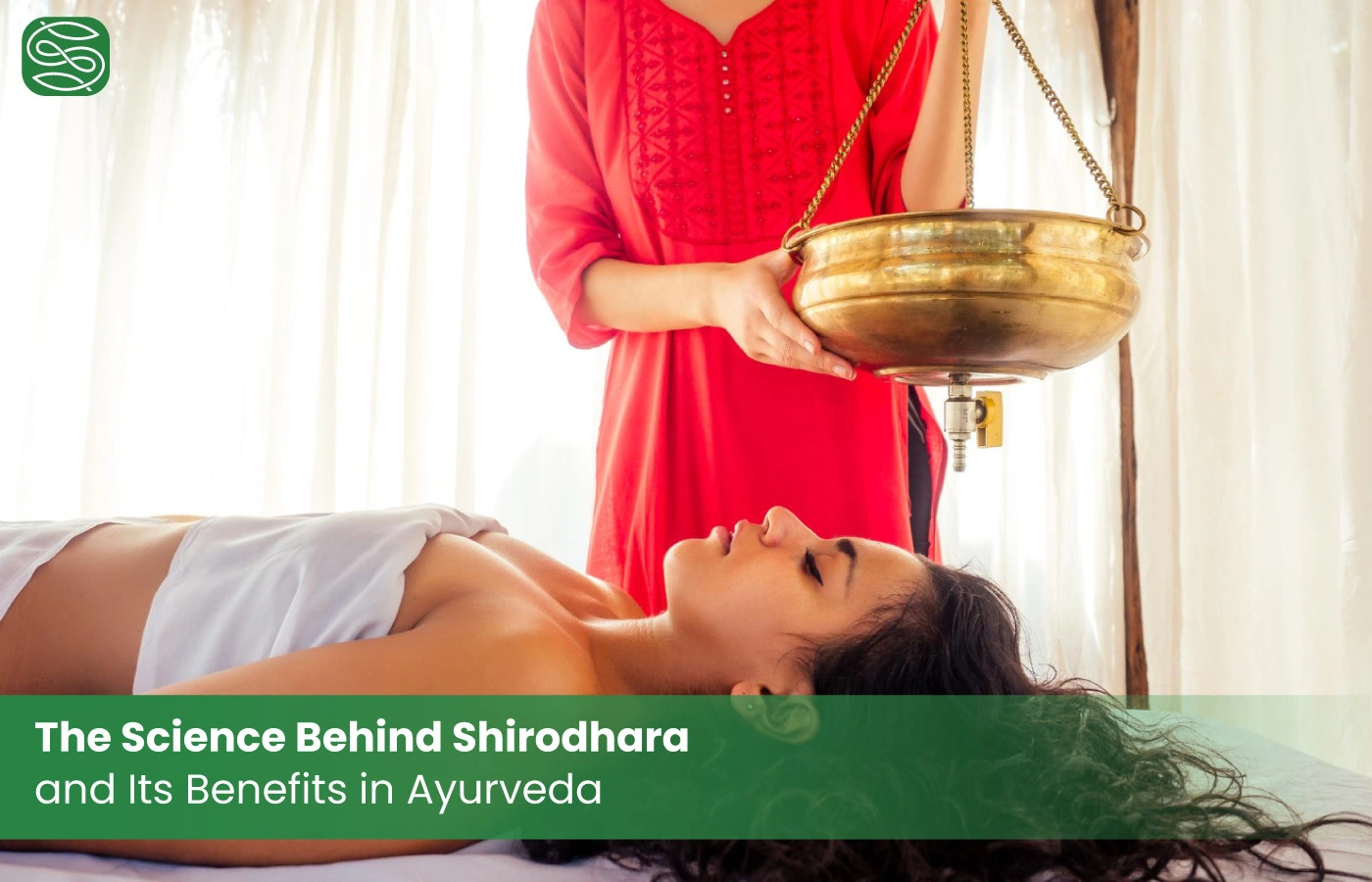
Shirodhara is a traditional Ayurvedic therapy in which a steady stream of warm medicated oil, milk, or herbal liquid is poured over the forehead. The name comes from Sanskrit: shiro means head and dhara means flow. People commonly use the therapy to promote relaxation and mental calm.
What Does Shirodhara Involve?
- Preparation: You lie comfortably on a therapy table, with the eyes and ears protected.
- The Pouring: A dhara patra is positioned above the forehead to deliver the liquid in a steady stream.
- The Flow: Warm liquid moves rhythmically across the forehead, usually for about 30 to 60 minutes.
- Liquids Used: Herbal oils, milk (ksheera dhara), or medicated buttermilk (takra dhara) may be selected based on individual needs.
- Stress Relief: Shirodhara may help promote relaxation and reduce mental tension.
- Better Sleep: The therapy may support relaxation and improved sleep quality.
- Mental Calm: Shirodhara may also support focus, emotional balance, and a calmer state of mind.
In today’s fast-paced lifestyle, constant work pressure, screen time, poor sleep, mental fatigue and everyday responsibilities can leave the mind feeling overwhelmed. Many people are looking for natural ways to slow down, relax and reconnect with their body.
Shirodhara therapy is one of the most well-known and deeply relaxing therapies in Ayurveda. It involves gently and continuously pouring a warm, suitably selected liquid, traditionally Ayurvedic oil, over the forehead for a prescribed period of time.
At Shathayu Ayurveda, Bangalore, Shirodhara therapy is offered as part of an Ayurvedic wellness approach for relaxation, stress management and rejuvenation, following an assessment by an Ayurvedic doctor.
What Is Shirodhara?
Shirodhara is a type of treatment that combines two Sanskrit words “Shiro,” which means “head,” and “Dhara,” which means “flow”. In Ayurveda, Dhara is a therapeutic procedure that involves directing a continuous stream of warm herbal oil, milk, or buttermilk over the forehead or a part of the body rhythmically and consistently.
The rhythmic sensation, warmth and quiet environment can encourage deep relaxation and help create a calming experience for both the body and mind. Shirodhara is particularly popular among people seeking an Ayurvedic relaxation therapy in Bangalore for stress, mental fatigue and lifestyle-related tension.
At Shathayu Ayurveda, Bangalore, Shirodhara is offered as part of an Ayurvedic wellness approach for relaxation, stress management and rejuvenation, following an assessment by an Ayurvedic doctor.
It is a long-established best Ayurvedic treatment technique native to India for nearly 5000 years. The nervous system is significantly affected by this Therapy. It has a calming and relaxing effect on your mind immediately and helps clear your nerves.
Shirodhara is quite helpful for those who have vata and pitta imbalances. When one’s vata is out of balance, it causes feelings of anxiety, insecurity, and concern. Pitta imbalance can make a person furious, impatient, and irritable, even forgetting his sense of right and wrong.
Shirodhara uses liquids that mitigate the harmful effects of imbalanced doshas or other ailments. The liquid calms and relaxes the doshas when administered to the forehead, scalp, and nervous system. It has several positive advantages, in addition to lowering stress and calming the nervous system.
The Procedure of Shirodhara
Shirodhara is most effective when performed in the morning or the evening. After a person lies down with his or her eyes closed, the procedure may start with an abhyanga or a form of Ayurvedic body massage. After that, lukewarm oil is applied to the forehead as treatment.
The oil is consistently and rhythmically dispensed in a flowing stream. It is important to take precautions to prevent oil from getting in the ears or eyes.
The complete process could take 30 to 45 minutes, depending on the patient’s condition. Before or during the treatment, a therapist could also give the patient a brief head massage.
The forehead is the preferred site for oil application as it has abundant nerve endings and is extremely sensitive. The pressure of the oil causes vibrations to occur on the forehead. After coating the forehead and scalp with warm oil, by dilating all the channels, the oils increase blood flow to the brain. As a result, it offers relief from anxiety and other related problems by lowering the levels of stress hormone cortisol. The entire process allows the body, mind, and nervous system to enter a profound sleep state akin to that experienced after meditating.
How Does Shirodhara Work?
From an Ayurvedic perspective, Shirodhara is traditionally used to support balance, particularly in conditions associated with aggravated Vata dosha.
From a modern wellness perspective, the experience of gentle warmth, repetitive sensory stimulation, stillness and focused relaxation may help reduce perceived stress and promote a calmer state. Shirodhara can be understood as a structured mind-body relaxation therapy.
The therapy usually involves:
- Consultation and assessment by an Ayurvedic doctor
- Selection of the appropriate oil or liquid
- Comfortable positioning on the treatment table
- Gentle, continuous application of the selected liquid over the forehead
- A period of quiet rest following the treatment
The exact duration and materials used can vary according to the individual’s Ayurvedic assessment and wellness goals.
What Are the Types of Shirodhara?
Shirodhara facilitates stress reduction, insomnia treatment, migraine relief, high blood pressure reduction, hair loss prevention, and even helps with focus and attention.
The oil or therapeutic liquid used in Dhara is selected based on the individual’s Ayurvedic constitution and specific health needs. In Ayurveda, the liquid may also be selected according to the individual’s symptoms, season and therapeutic objective. During the procedure, the liquid is poured from a copper vessel (kumbha) with a standard size hole at the bottom, typically hung from a support above the person’s head. The stream of liquid is directed over the forehead or other specific parts of the body and is often accompanied by gentle massage or other Ayurvedic therapies.
Taila Dhara: It involves the use of warm herbal oil poured onto the forehead. Taila Dhara is used to help balance the doshas, promote relaxation, and improve overall health and well-being. It is the most popular and widely practised form of Shirodhara. The choice of oil depends on the individual’s condition and Ayurvedic assessment.
Takra Dhara: It involves the use of medicated buttermilk instead of oil. Takra Dhara is believed to be particularly effective for Diabetes and skin conditions such as eczema and psoriasis, as well as for improving digestion and promoting relaxation. The buttermilk is prepared and medicated according to the Ayurvedic protocol and is then poured in a continuous stream over the forehead. Takra Dhara is traditionally associated with Pitta-related conditions and cooling, soothing therapies. It may be considered in selected cases involving diabetes and metabolic concerns, but it should be used as a complementary Ayurvedic therapy and not as a replacement for diabetes medication, blood-glucose monitoring or conventional medical care.
Ksheera Dhara: It involves the use of warm milk. Ksheera Dhara is believed to be particularly effective for calming the mind and reducing stress and anxiety. Good relaxing therapy for summer. The warm milk is poured continuously over the forehead, creating a soothing and nourishing experience. It may be selected when a more cooling, nourishing and calming form of Dhara is considered appropriate. The preparation can vary according to the individual’s Ayurvedic assessment.
According to a study available on Journal Storage and published in Current Science, Shirodhara was examined in patients with generalized anxiety disorder, with findings suggesting improvements in sleep continuity and preservation of slow-wave sleep.
Jala Dhara: It uses warm water and is effective for treating conditions such as headaches, Heat stroke, insomnia, and other nervous system disorders.
Kashaya Dhara: This involves using herbal decoctions of ingredients chosen depending on the individual’s specific needs and the Doctor’s recommendation. The decoction is prepared using selected medicinal herbs according to the therapeutic objective and Ayurvedic principles. It may be used when the Ayurvedic physician considers a more cleansing, balancing or condition-specific Dhara protocol appropriate.
Each type has its unique benefits and can be tailored to the individual’s needs. Depending on the individual’s requirements, Ayurvedic physicians may use medicated oils, herbal decoctions, medicated buttermilk, milk-based preparations or other traditionally prescribed Ayurvedic liquids. Shirodhara is not a one-size-fits-all therapy. The liquid, temperature, duration and treatment protocol can be personalised after an Ayurvedic consultation.
Which Type of Shirodhara Is Right for You?
There is no single Shirodhara oil that is ideal for everyone. An Ayurvedic doctor may consider factors such as:
- Prakriti and Vikriti
- Present symptoms
- Sleep pattern
- Stress and lifestyle
- Digestive health
- Seasonal factors
- Age and overall health
- Existing medical conditions
- The intended therapeutic objective
For example, someone seeking stress relief and relaxation may be considered for an oil-based Shirodhara, while another individual may be recommended Takra Dhara, Ksheera Dhara or Kashaya Dhara based on their Ayurvedic assessment.
At Shathayu Ayurveda, Bangalore, the appropriate Dhara therapy is selected after understanding the individual’s needs rather than using the same formulation for every person.
According to a pilot study in the Journal of Alternative and Complementary Medicine, sesame oil Shirodhara showed potential to improve sleep quality and quality of life in people with sleep problems.
What Are the Potential Benefits of Shirodhara?
Reduce Stress and Anxiety: The gentle pressure and warmth of oil on the forehead can calm the nervous system and promote relaxation, reducing feelings of stress and anxiety. Modern lifestyles can keep the body and mind in a constant state of stimulation. Shirodhara provides dedicated time for stillness and relaxation, which may help people feel calmer after the session.
Promotes Better Sleep: It can help balance the body’s natural sleep rhythms, leading to better quality sleep. A calm pre-sleep routine and relaxation practices may support healthy sleep. Persistent insomnia or significant sleep problems should always be medically evaluated rather than relying on Shirodhara alone.
Improves Mental Clarity: It improves concentration, memory, and overall mental clarity. People who spend long hours working, studying or using digital devices often describe feelings of mental tiredness, and Shirodhara can provide a quiet period away from continuous stimulation.
Relieves headaches and migraines: The soothing effects of Shirodhara can help relieve tension headaches and migraines.
Balances Hormones: Shirodhara can help balance the endocrine system, improving hormonal balance and reducing symptoms of hormonal imbalances.
Enhances Hair and Scalp Health: The warm oil used in Shirodhara can help nourish the scalp and hair, improving overall hair health and appearance. When an appropriate Ayurvedic oil is used, the scalp receives the benefits of oil application, which supports scalp moisturisation and provides a relaxing head-care experience.
Supports a Sense of Emotional Well-Being: Relaxation therapies can be useful as complementary wellness practices for people dealing with everyday tension, irritability and emotional fatigue. They should not replace professional treatment for depression, anxiety disorders or other mental health conditions.
Why Is Shirodhara So Popular in Ayurveda?
Among Ayurvedic therapies, Shirodhara has become especially popular because of its distinctive sensory experience. Unlike a conventional massage, the therapy focuses strongly on stillness, warmth and rhythmic stimulation.
For many people, the most noticeable aspect is the transition from an active, constantly stimulated state to a period of quiet relaxation. This makes Shirodhara particularly attractive for modern lifestyles where stress, screen exposure and lack of downtime are common.
How Does Shirodhara Improve Mental Health?
It stimulates and massages the pineal gland. It induces Autonomous Sensory Meridian Response (ASMR), a euphoric experience characterised by a tingling sensation on the skin that typically starts on the scalp and moves down the back of the neck and upper spine. ASMR causes relaxation and promotes balance and harmony in the body. It works by stimulating the Third Eye Chakra and the Crown Chakra.
All types of psychological and mental disorders can benefit from Shirodhara. Promoting relaxation and boosting serotonin release in the brain lowers stress. It causes head sensations that travel to the brain via the superficial nerves, promoting peace and relaxation. More serotonin is secreted in the brain as a result of this serenity and relaxation, which eases sadness and lowers mental tension.
Is Shirodhara the Same as a Shirodhara Massage?
Shirodhara massage is a commonly used term, but Shirodhara itself is different from a conventional head massage. Instead of using massage movements alone, Shirodhara involves a continuous, gentle flow of warm medicated oil over the forehead while the individual rests comfortably.
How Does Shirodhara Differ From Ayurvedic Abhyanga?
Although both are Ayurvedic therapies, their approach is different.
| Shirodhara | Abhyanga |
|---|---|
| Focuses primarily on the head and forehead | Traditionally involves oil application and massage to the body |
| Uses a continuous flow of selected liquid | Uses warm Ayurvedic oil with massage techniques |
| Strong focus on relaxation and calming | Focuses on relaxation, circulation, mobility and body nourishment |
| Generally a quieter, more meditative experience | Involves active massage movements |
| Often selected for stress-relaxation programs | Commonly included in wellness, rejuvenation and Panchakarma programs |
In some Ayurvedic wellness programs, Abhyanga and Shirodhara may be combined depending on the individual’s requirements.
Who May Consider Shirodhara?
Shirodhara may be considered as part of an Ayurvedic wellness program for adults experiencing:
- Everyday stress and mental fatigue
- Difficulty relaxing
- Lifestyle-related tension
- Occasional sleep difficulties
- Head and neck tension associated with stress
- Desire for relaxation and rejuvenation
- Need for a structured wellness break
An Ayurvedic doctor should determine whether Shirodhara is appropriate, particularly for people with medical conditions, pregnancy, acute illness, skin problems or other specific health concerns.
Is Shirodhara a Treatment for Anxiety, Depression or Hypertension?
Shirodhara may be used as a complementary relaxation therapy, but it should not be presented as a replacement for medical treatment.
Conditions such as clinical depression, anxiety disorders, hypertension, asthma, chronic headaches and other medical conditions require appropriate diagnosis and evidence-based medical care. Ayurvedic therapies can potentially be incorporated into an individual’s broader wellness or integrative-care plan when clinically appropriate.
Can Shirodhara Help With Insomnia and Sleep Support?
Can Shirodhara help with insomnia? This is one of the most common questions people ask about this Ayurvedic therapy.
In Ayurveda, Shirodhara is traditionally used as a calming and relaxing therapy, particularly when sleep difficulties are associated with stress, mental overactivity and an aggravated Vata pattern. The continuous flow of warm oil over the forehead, combined with a quiet treatment environment, may encourage relaxation and help the mind transition into a calmer state.
For people experiencing occasional sleep difficulties, stress-related restlessness or difficulty switching off at night, Shirodhara may be incorporated into a broader Ayurvedic wellness program.
Shirodhara may support better sleep by:
- Promoting deep relaxation
- Reducing the feeling of mental restlessness
- Supporting a calm pre-sleep state
- Helping relieve stress and everyday tension
- Providing a structured period of rest away from screens and stimulation
Persistent insomnia can have many causes, including sleep apnea, medications, hormonal changes, anxiety, depression, chronic pain and other medical conditions. Long-standing or severe sleep problems should be medically evaluated rather than managed with Shirodhara alone.
Can Shirodhara Help With Hair Fall and Scalp Wellness?
A Shirodhara session using an appropriate Ayurvedic oil may provide:
- Gentle oil application to the scalp
- Scalp moisturisation
- A relaxing experience that may help with stress management
- Support for scalp care as part of a broader Ayurvedic hair wellness program
What about stress-related hair fall? Stress can be one of several factors associated with increased hair shedding. When hair fall is associated with lifestyle stress, poor sleep or inadequate recovery, relaxation and stress-management practices may form part of a broader wellness approach.
However, hair loss can also result from nutritional deficiencies, thyroid disorders, hormonal changes, PCOS, menopause, medications, genetic factors, scalp disorders and other medical conditions. Therefore, Shirodhara should not be presented as a standalone cure for hair loss.
At Shathayu Ayurveda, individuals experiencing significant or persistent hair fall can be assessed by an Ayurvedic doctor to understand possible contributing factors and determine whether Shirodhara, Ayurvedic scalp therapies, dietary changes or other treatments are appropriate.
How does Shirodhara differ from Ayurvedic hair treatment? Shirodhara primarily focuses on relaxation and the therapeutic experience of continuous Dhara. Ayurvedic hair treatment may involve a more comprehensive approach, including scalp examination, internal medicines where appropriate, diet and lifestyle recommendations, scalp oiling, local therapies and other Ayurvedic treatments. For someone searching for Shirodhara for hair fall in Bangalore, an Ayurvedic consultation can help determine whether Shirodhara should be part of the overall hair wellness plan.
Does Shirodhara Have Any Adverse Effects?
Shirodhara is a highly helpful procedure, and there are no significant adverse effects connected with it. However, some people may feel as though their heads are heavy. Some people may feel a little lightheaded, and for those who kept their eyes open throughout the treatment, their odds of feeling queasy may be higher.
Why Choose Shathayu Ayurveda for Shirodhara in Bangalore?
At Shathayu Ayurveda, the focus is on combining traditional Ayurvedic principles with structured clinical care. A Shirodhara session begins with understanding the individual’s needs rather than treating every person with the same oil or protocol.
Depending on the consultation, the Ayurvedic doctor may consider:
- Current lifestyle and stress levels
- Sleep pattern
- Body constitution and Ayurvedic assessment
- Present health concerns
- Appropriate oil or liquid
- Duration and frequency of therapy
- Whether Shirodhara should be combined with other Ayurvedic therapies
Summing Up
Take a pause from the demands of everyday life and experience one of Ayurveda’s most recognised relaxation therapies. Shathayu Ayurveda offers Shirodhara therapy in Bangalore as part of personalised Ayurvedic wellness and relaxation programs.
Whether your goal is stress management, relaxation, rejuvenation or simply taking time away from a hectic routine, an Ayurvedic consultation can help determine whether Shirodhara is appropriate for you.
Book a consultation with Shathayu Ayurveda to explore a personalized Shirodhara and wellness program in Bangalore.
FAQs
Is Shirodhara suitable for everyone?
Most people can take it. Best to take an Ayurvedic consultation before treatment, particularly for people with medical conditions, pregnancy, acute illness or scalp and skin problems.
Can Shirodhara be combined with Abhyanga?
Yes, Abhyanga and Shirodhara are sometimes combined in the same session in Ayurvedic wellness programs. The Ayurvedic doctor decides this after assessing individual needs, as a whole-body massage followed by Shirodhara can deepen the relaxation experience.
What is Shirodhara in Ayurveda?
Shirodhara is an Ayurvedic therapy for stress where warm herbal oil is poured gently over the forehead. It helps calm the mind, and promote deep relaxation.
What are the main benefits of Shirodhara?
Shirodhara benefits include reduced stress, better sleep, improved focus, headache relief, balanced hormones, and relaxed nerves.
How does Shirodhara therapy work?
In Shirodhara treatment, warm oil flows in a steady stream over the forehead, stimulating the third eye region. This relaxes the nervous system and promotes a state of mental calm.
What oil is used in Shirodhara massage?
Ayurveda oils like Ksheerabala, Brahmi or Dhanwantharam is chosen for relaxation and nourishment.
Is Shirodhara good for stress relief?
Yes, Shirodhara therapy for stress is highly effective. The rhythmic flow of oil helps reduce cortisol levels and quiet the mind.
Can Shirodhara help with sleep problems?
Absolutely. Shirodhara for sleep relaxes the nervous system and helps regulate sleep cycles naturally without medication.
How long does a Shirodhara session last?
A typical Shirodhara massage session lasts between 30–45 minutes, depending on the body type and health condition.
How many Shirodhara sessions are recommended?
For general relaxation, 3–5 sessions are good. For chronic stress or insomnia, Ayurvedic doctors may recommend 7–14 sessions for best results
Treated at Shathayu: speak to an Ayurveda doctor about Shirodhara Therapy at any of our 16 clinics in Bangalore, or book a free consultation.