 Skip to content
AYURVEDIC PCOS / PCOD CARE
Restoring Hormonal Rhythm, Naturally
PCOS and PCOD are not just about periods — they involve metabolism, insulin sensitivity, weight and mood. Ayurveda addresses all of these together so hormones can settle into their own rhythm again.
125+
YEARS OF LEGACY
16+
CLINICS IN BANGALORE
1.2M+
PATIENTS TREATED
50+
AYURVEDIC DOCTORS
Understanding PCOD
Poly-Cystic Ovarian Disease (PCOD) is a complex heterogeneous disorder of unknown etiology. It affects 1 in 10 women. It is a condition in which patients have multiple cysts in their ovaries that occur due to disruption in the normal menstrual cycle. Ovaries get enlarged and produce excess amounts of androgen and estrogen. These hormones interfere with the growth and release of the eggs from the ovaries, leading to anovulatory cycles and irregular menstruation.
Causes of PCOD
High levels of androgen: a woman’s body contains a small level of male hormones known as androgens. In women with PCOS, the levels of male hormones increase, preventing the ovaries from producing eggs during the monthly menstrual cycle.
High levels of insulin: insulin resistance, which may result from unhealthy lifestyle and eating habits, causes type 2 diabetes that leads to obesity. It also leads to high levels of insulin that interrupt the functions of other hormones and physiologies, leading to PCOS.
Signs and Symptoms of PCOD
- Menstrual abnormalities like infrequent, irregular or absence of menstrual cycles
- Infertility
- Acne, hirsutism (male pattern hair growth on face and chest), hair fall from the scalp, or alopecia due to high levels of masculinising hormones
- Metabolic disturbances leading to obesity, high cholesterol, hypothyroidism, etc.
- Psychological disorders like depression and anxiety due to personal and societal stress
The Ayurvedic Approach to Treatment
According to Ayurveda, PCOS is primarily caused by an imbalance in the Kapha and Vata doshas. This imbalance disrupts the functioning of the reproductive system, leading to hormonal irregularities. Ayurveda emphasises the need for holistic healing to restore the balance of these doshas and alleviate PCOS symptoms.
The Ayurvedic Approach to Treatment
According to Ayurveda, PCOS is primarily caused by an imbalance in the Kapha and Vata doshas. This imbalance disrupts the functioning of the reproductive system, leading to hormonal irregularities. Ayurveda emphasises the need for holistic healing to restore the balance of these doshas and alleviate PCOS symptoms.
OUR APPROACH
Five Layers of PCOS Treatment
Each layer targets a different root — one alone rarely holds. Together they compound.
Virechana Cleanse
Medicated purgation clears accumulated Pitta from the liver and reproductive channels. Sets the base for every other intervention.
Uttara Basti
Localised medicated enema delivered into the uterine cavity to correct dosha imbalance at the source.
Herbal Formulations
Ashokarishtam, Shatavari, Kanchanara Guggulu — combined for your specific presentation and body type.
Dietary Correction
A dosha-specific eating plan that lifts insulin sensitivity, calms cravings and steadies energy through the day.
Yoga & Movement
Sequences chosen for hormonal balance — hip openers, twists and pranayama that work with the cycle rather than against it.
OUR FORMULATIONS
Ayurvedic Medicines for PCOD
Shathayu’s Ayurveda experts for PCOS treat PCOS strategically with 90-150 days of medicines which can rectify symptoms like absent/scanty menstruation, with medicines like Mensoflow Kashaya, CP Map, AV Map, Novacalm, Saptasara Kashayam, Rajapravarthini Vati, and other Ayurvedic herbal medicines and formulations to address PCOS symptoms.
Shatavari
Helps regulate ovulation and hormone production.
Triphala
Assists in detoxification and improves digestion.
Guggul
Reduces cholesterol levels and aids in weight management.
Ayurveda doctors at Shathayu also prepare a combination of herbs such as Shatavari, Ashoka, and Lodhra to regulate menstrual cycles and hormonal imbalances, reduce acne and hirsutism, and improve fertility based on the diagnosis obtained from detailed examination.
Yoga for PCOD
Stress is a significant factor that contributes to PCOS symptoms. Specific yoga poses like Dhanurasana (Bow Pose), Bhujangasana (Cobra Pose), and Paschimottanasana (Seated Forward Bend) help regulate hormonal function, improve blood circulation, and reduce stress. At Shathayu Ayurveda, our yoga experts assist women with PCOS with various yoga asanas that enhance the body’s ability to reduce the severity of the disease.
SYMPTOM CHECK
Is This Right For You
Ayurvedic PCOS/PCOD Care is worth considering if any of this sounds familiar.
Irregular, infrequent, or absent periods
One of the primary signs of the anovulatory cycles PCOD causes.
Acne, hirsutism, or hair fall linked to hormone levels
Signs of elevated androgen, a recognised PCOD symptom.
Weight gain that’s resistant to diet and exercise
The insulin-resistance and metabolic disturbance pattern linked directly to PCOD, alongside irregular cycles.
Trying to conceive with PCOS/PCOD in the picture
One of the conditions this programme’s reset is designed to support, alongside your gynaecologist’s care.
Mood changes, anxiety, or low mood alongside your other symptoms
The psychological impact recognised as a PCOD symptom, not a separate issue.
Wanting a root-cause programme alongside — not instead of — your gynaecologist’s care
A complementary approach that can taper alongside medication with your gynaecologist’s guidance, not a replacement for it.
THE DIFFERENCE
Why Our Approach Works
Most PCOS management treats the symptom of the month — irregular periods, weight gain, acne — and misses the underlying picture. Our physicians treat the whole system so results hold, and so you can eventually taper other medications with your gynaecologist’s guidance.
Not sure if this is right for you? A Shathayu doctor will assess your condition before anything is booked — book a free consultation or ask us on WhatsApp.
- Track ovulation returning, not just periods
- Fewer cravings, calmer moods
- Better skin as blood tissue clears
- Weight normalises without crash-dieting
- Fertility improves as a side-effect of the reset
BEFORE YOU BEGIN
When We Ask You to Wait
Ayurveda is gentle, but it is still medicine. Your doctor screens for the following at consultation, before any programme is scheduled.
Currently Pregnant
Most PCOS-specific therapies (particularly Uttara Basti and Virechana) are not used during pregnancy.
Actively Undergoing Fertility Treatment
Always coordinate timing with your fertility specialist before starting.
Uncontrolled Diabetes or Thyroid Conditions
Not undertaken without prior physician clearance.
Acute Infection or Fever
Treatment typically starts once this resolves.
TRANSPARENT PRICING
PCOS Treatment Cost in Bangalore
What treatment costs depends on your specific symptoms, the combination of therapies and herbal formulations recommended, and duration (often 90 to 150 days for medicines). Your clinic confirms the exact price at consultation, before any programme is booked.
WHY CHOOSE US
Why We're the Right Choice
Thousands of patients across Bangalore trust Shathayu for authentic Ayurvedic care here’s why.
Government Recognised
AYUSH Ministry listed. Licensed Ayurvedic medical institution operating since 1901.
Qualified and MD Doctors
Every consultation is with an MD or BAMS-qualified vaidya. 50+ specialists, 16 clinics.
No Side Effects
100% classical formulations. No steroids, no chemical fillers. Pure Ayurveda safe and lasting.
In-house Medicines
All herbal formulations prepared in Shathayu’s own facility. Strict quality control no third-party fillers, no shortcuts.
Government Recognised
AYUSH Ministry listed. Licensed Ayurvedic medical institution operating since 1901.
Qualified and MD Doctors
Every consultation is with an MD or BAMS-qualified vaidya. 50+ specialists, 16 clinics.
No Side Effects
100% classical formulations. No steroids, no chemical fillers. Pure Ayurveda safe and lasting.
In-house Medicines
All herbal formulations prepared in Shathayu’s own facility. Strict quality control no third-party fillers, no shortcuts.
YOUR CARE TEAM
Meet the Vaidyas
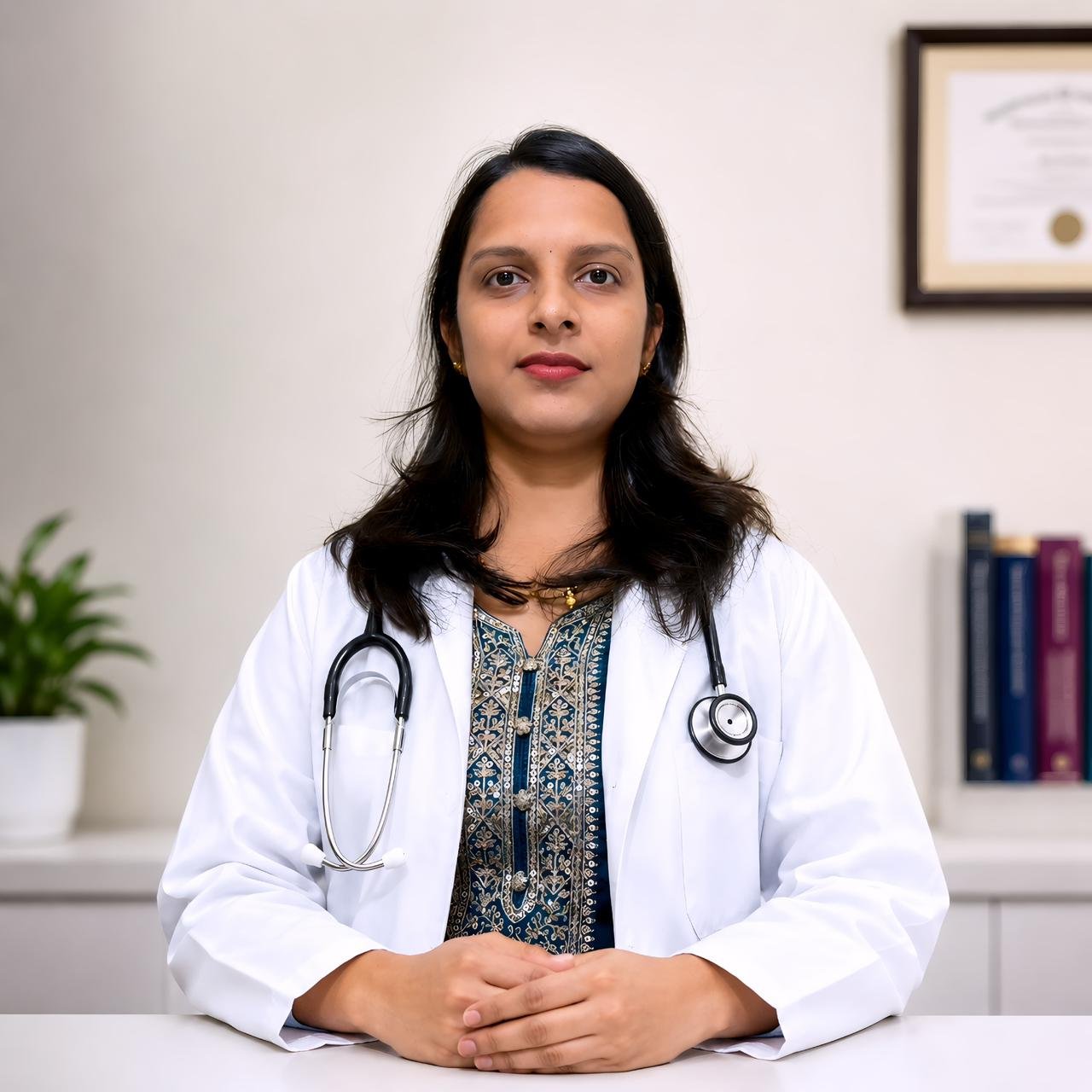
Dr. Krupa T. Y.

Dr. Sushmitha Nayak

Dr. Pranamya Rao
REAL REVIEWS
What Our Patients Say
★★★★★
“Very good experience, I got pregnant after taking detox treatment from here. I would suggest to take the treatment from this center.”
Sreelakshmi Kb — Shathayu JP Nagar
★★★★★
“I recently underwent Panchakarma Virechana treatment at Shatayu Ayurveda, and I am extremely satisfied with the entire experience. From the moment I started the consultation to the completion of the treatment, everything was handled with care.”
Vani Shree — Shathayu Banashankari
★★★★★
“I had a head, shoulders, and feet massage with Surekha, and it was a wonderful experience. The session went very well from start to finish! I felt completely relaxed and at ease.”
Anna Pastukhova — Shathayu JP Nagar
BEFORE YOU BOOK
PCOS / PCOD — FAQs
What is Ayurvedic treatment for PCOS?
How does Ayurveda manage hormonal imbalance in PCOS?
Can Ayurvedic care for PCOS help with weight management?
Does Ayurveda support fertility in women with PCOS?
Can Ayurvedic treatment for PCOS help with acne and facial hair?
How long does Ayurvedic treatment for PCOS take?
Can PCOS affect fertility, and how does Ayurveda help?
How do Shathayu doctors personalise PCOS treatment?
Is PCOS treatable in Ayurveda?
How is Ayurvedic treatment different from hormonal pills?
Can I still take my gynaecologist's medication?
What is Virechana, and why is it used for PCOS?
What is Uttara Basti?
What herbs are commonly used for PCOS in Ayurveda?
Can yoga really help with PCOS symptoms?
What is the cost of PCOS treatment at Shathayu?
Is Ayurvedic PCOS treatment safe for teenagers?
Will insulin resistance be addressed too, or just the reproductive symptoms?
GET STARTED
Start Your Wellness Journey
125 years of healing wisdom, available to you across 16 clinics in Bangalore. Book your free 15-minute consultation today no pressure, just a conversation.
16 CLINICS ACROSS BANGALORE
Find a Shathayu Clinic Near You
Authentic Ayurveda is never far away. Walk in at any of our 16 Bangalore centres or book a free consultation and we’ll guide you to the one nearest you.
JP Nagar
#1300, 9th Cross Rd, Phase 1, JP Nagar, Bengaluru 560078
Whitefield
620, 1st Main Rd, AECS Layout C Block, Marathahalli, Bengaluru 560037
Chandra Layout
#115, 4th Cross Rd, Near Police Station, Chandra Layout, Bengaluru 560040
RT Nagar
#578, 4th G Cross, HMT Layout, CBI Main Rd, RT Nagar, Bengaluru 560032
Banashankari
No.525, 31st Main Rd, Banagirinagara, Banashankari 3rd Stage, Bengaluru 560085
HSR Layout
1017, 27th Main Rd, 1st Sector, HSR Layout, Bengaluru 560102
Indiranagar
NO.163, 2nd Stage, 2nd A Cross, Domlur, Indiranagar, Bengaluru 560071
Kalyan Nagar
6M-309, HRBR Layout, 2nd Block Ext., Kalyan Nagar, Bengaluru 560043
Rajajinagar
#347, 3rd Main Rd, Mahalakshmipuram, West of Chord Rd 2nd Stage, Bengaluru 560086
Koramangala
“Grace” 1st Floor, C-18, Kudremukh Colony, Koramangala Block 2, Bengaluru 560034
RR Nagar
#810, 3rd Stage, 4th Main Rd, BEML Layout, RR Nagar, Bengaluru 560098
Sahakar Nagar
No.46, G Block, Sahakar Nagar, Byatarayanapura, Bengaluru 560092
Nagarbhavi
148, 6th Main Rd, D-Group Layout, Srigandhada Kaval, Nagarbhavi, Bengaluru 560091
Sadashivanagar
1st Floor, 13, 2nd Main Rd, Vyalikaval, Sadashiva Nagar, Malleshwaram, Bengaluru 560003
Kothanur
3rd Floor, SGM Complex, 27, K.Narayanapura, Kothanur, Bengaluru 560077
Yelahanka
1st Floor, 2022, 3rd B Cross Rd, KHB Colony, Yelahanka Satellite Town, Bengaluru 560064