 Skip to content
AYURVEDIC MIGRAINE CARE
Fewer Headaches. Less Intensity.
Migraine is not just a bad headache — it is a complex neurological event with triggers you have probably charted a hundred times. Ayurveda addresses the root imbalance so triggers stop pulling the same lever.
125+
YEARS OF LEGACY
16+
CLINICS IN BANGALORE
1.2M+
PATIENTS TREATED
50+
AYURVEDIC DOCTORS
Understanding Migraine
Migraine is a complex neurological condition characterised by recurrent headaches causing severe throbbing or pulsating pain on one side or sometimes both sides, accompanied by nausea, vomiting, and extreme sensitivity to light or sound. These attacks are intense enough to interfere with sleep, work, and other everyday activities.
Migraines in Ayurveda are commonly associated with imbalances in Vata and Pitta doshas, which affect the nervous system and circulation. Treatment focuses on correcting digestion, reducing stress triggers, and restoring balance through therapies, herbal support, and lifestyle regulation.
WHAT SETS IT OFF
Causes of Migraine
Migraine has no single known cause, but recent studies point to several contributing factors:
- Acid-alkaline imbalance in the body
- Genetic predisposition
- A poor lifestyle
- Irregular food habits or fasting
- Hormonal imbalances
- Weather changes
- Improper sleep
- Stress
- Sensitivity to light, sound, and particular smells
WHAT SETS IT OFF
Causes of Migraine
Migraine has no single known cause, but recent studies point to several contributing factors:
- Acid-alkaline imbalance in the body
- Genetic predisposition
- A poor lifestyle
- Irregular food habits or fasting
- Hormonal imbalances
- Weather changes
- Improper sleep
- Stress
- Sensitivity to light, sound, and particular smells
Further Complications of Migraine
Migraine medication often provides only temporary relief, and the underlying cause can worsen, leading to complications including:
- Mental health issues
- Migralepsy
- Stroke
- Motion sickness
- Sleepwalking
- Night terrors
- Abdominal pain
- Cyclical vomiting
- Vertigo
OUR RESEARCH
A Four-Month Ayurvedic Treatment for Migraine
Shathayu Ayurveda’s research into effective migraine treatment has culminated in a four-month medication regimen. It gradually tackles the frequency of headaches, the severity of pain, and associated symptoms, providing long-lasting relief and preventing further complications.
YOUR PROGRAMME
What Your Programme Includes
Head and scalp therapies that calm the nervous system, combined with the trigger work that keeps attacks from returning.
Nasya Therapy
Medicated oil drops administered through the nostrils. Clears head channels and calms the neural pathways involved in migraine.
Shirodhara
A steady stream of warm medicated oil poured over the forehead. Deep parasympathetic reset — often the single most calming therapy in Ayurveda.
Shirolepa
A cooling herbal paste applied to the scalp — used especially for Pitta-driven presentations with a burning quality.
Lifestyle Correction
The trigger management piece — with actual routines around sleep, meals, screens and stress that make a felt difference.
SYMPTOM CHECK
Is This Right For You
Ayurvedic Migraine Care is worth considering if any of this sounds familiar. If your headaches are tension-type and tied to neck or shoulder tightness rather than a diagnosed migraine pattern, see our Pain Management programme.
Throbbing, Recurring Attacks
Recurring, throbbing headaches on one or both sides, often with nausea or vomiting.
Light, Sound and Smell Sensitivity
Extreme sensitivity to light, sound, or particular smells during an episode.
A Clear Trigger Pattern
Episodes triggered by irregular meals, poor sleep, stress, or weather changes.
Early Warning Signs
Mood changes, fatigue, or neck stiffness before a full episode.
Reliance on Rescue Medication
A pattern of relying on rescue medication that only offers temporary relief.
WHAT CHANGES
When the Triggers Stop Firing
Painkillers are a rescue tool. They are not a strategy. Our patients typically see attack frequency drop by half or more within two months, and severity reduce further with structural changes to routine, sleep and diet.
- Fewer attacks per month
- Lower intensity when they do occur
- Reduced rescue-medication use
- Better sleep, calmer nervous system
- Coordinated with your neurologist where relevant
BEFORE YOU BEGIN
When We Ask You to Wait
Ayurveda is gentle, but it is still medicine. Your doctor screens for the following at consultation, before any programme is scheduled.
Currently Pregnant
Nasya and certain Panchakarma therapies require specific clearance during pregnancy.
Sudden, Severe Onset
A ‘worst headache of your life’ onset, or migraine with new neurological symptoms — seek emergency medical evaluation first. This page is not a substitute for ruling out other causes.
Active Sinus Infection
With nasal congestion, Nasya therapy is typically deferred until this resolves.
On Preventive Migraine Medication
Coordinate any change with your neurologist rather than adjusting independently.
TRANSPARENT PRICING
Migraine Treatment Cost in Bangalore
What the programme costs depends on the specific therapies prescribed and whether the full four-month regimen is recommended for your presentation. Your clinic confirms the exact price at consultation, before any programme is booked.
Not sure if this is right for you? A Shathayu doctor will assess your condition before anything is booked — book a free consultation or ask us on WhatsApp.
WHY CHOOSE US
Why We're the Right Choice
Thousands of patients across Bangalore trust Shathayu for authentic Ayurvedic care here’s why.
Government Recognised
AYUSH Ministry listed. Licensed Ayurvedic medical institution operating since 1901.
Qualified and MD Doctors
Every consultation is with an MD or BAMS-qualified vaidya. 50+ specialists, 16 clinics.
No Side Effects
100% classical formulations. No steroids, no chemical fillers. Pure Ayurveda safe and lasting.
In-house Medicines
All herbal formulations prepared in Shathayu’s own facility. Strict quality control no third-party fillers, no shortcuts.
Government Recognised
AYUSH Ministry listed. Licensed Ayurvedic medical institution operating since 1901.
Qualified and MD Doctors
Every consultation is with an MD or BAMS-qualified vaidya. 50+ specialists, 16 clinics.
No Side Effects
100% classical formulations. No steroids, no chemical fillers. Pure Ayurveda safe and lasting.
In-house Medicines
All herbal formulations prepared in Shathayu’s own facility. Strict quality control no third-party fillers, no shortcuts.
YOUR CARE TEAM
Meet the Vaidyas
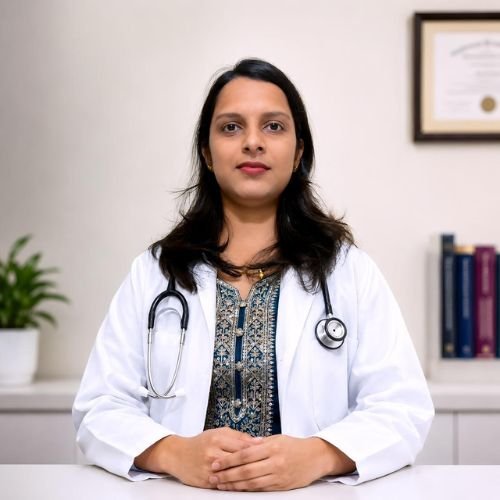
Dr. Krupa T. Y.
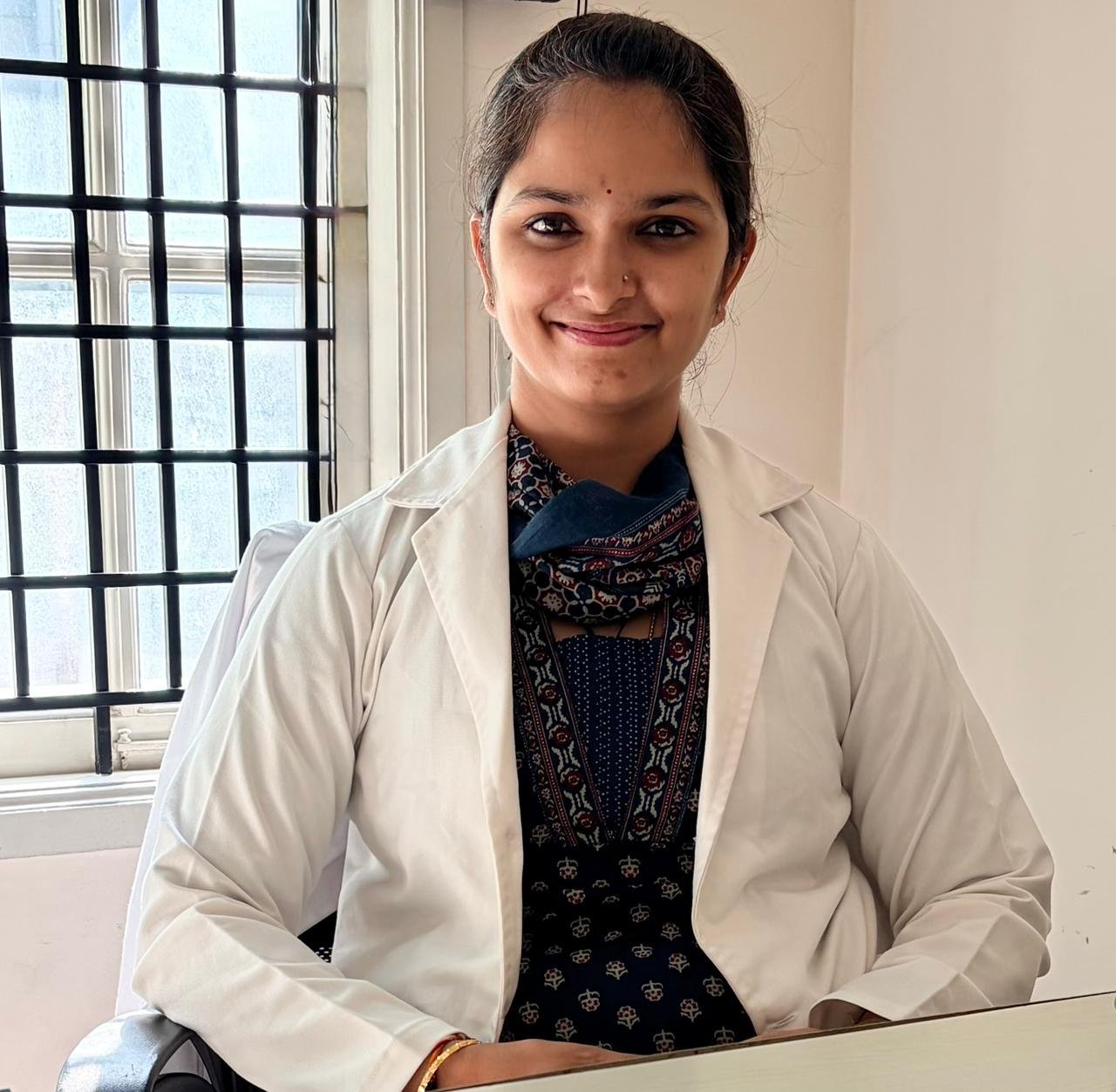
Dr. Anagha B V
REAL REVIEWS
What Our Patients Say
★★★★★
“The Abhyanga and steam session left me feeling completely rejuvenated. Great attention to detail from the therapist and a genuinely calming experience overall.”
ROOPA K — Shathayu Clinic
★★★★★
“Abhyanga followed by Sweda was incredibly relaxing. I went in stressed and came out feeling like a different person — highly recommend for anyone dealing with chronic tension.”
Vignesh Sudhir — Shathayu Clinic
★★★★★
“I’ve been coming here for 5 years now and the consistency in quality of treatment has been remarkable. The doctors genuinely take time to understand your health history before recommending anything.”
Piyush Shankar Bhattacharya — Shathayu Yelahanka
BEFORE YOU BOOK
Migraine — FAQs
What is migraine in Ayurveda?
Why do migraines happen?
How is a migraine different from a normal headache?
Can children get migraines?
What are the common triggers of migraines?
Does one have to take lifelong medicine for migraines?
Can lack of sleep make migraines worse?
What is Ayurvedic treatment for migraine?
Is there a long-term treatment for migraine?
Can stress cause migraines?
Does fasting cause migraine attacks?
Can hormonal changes cause migraines?
What are the symptoms before a migraine starts?
Can strong smells trigger migraines?
Can I take my regular medicines along with Ayurveda?
How long does a migraine usually last?
Can screen time cause migraines?
Can dehydration cause migraines?
Is Panchakarma used for migraines?
Can stress management help migraines?
GET STARTED
Start Your Wellness Journey
125 years of healing wisdom, available to you across 16 clinics in Bangalore. Book your free 15-minute consultation today no pressure, just a conversation.
16 CLINICS ACROSS BANGALORE
Find a Shathayu Clinic Near You
Authentic Ayurveda is never far away. Walk in at any of our 16 Bangalore centres or book a free consultation and we’ll guide you to the one nearest you.
JP Nagar
#1300, 9th Cross Rd, Phase 1, JP Nagar, Bengaluru 560078
Whitefield
620, 1st Main Rd, AECS Layout C Block, Marathahalli, Bengaluru 560037
Chandra Layout
#115, 4th Cross Rd, Near Police Station, Chandra Layout, Bengaluru 560040
RT Nagar
#578, 4th G Cross, HMT Layout, CBI Main Rd, RT Nagar, Bengaluru 560032
Banashankari
No.525, 31st Main Rd, Banagirinagara, Banashankari 3rd Stage, Bengaluru 560085
HSR Layout
1017, 27th Main Rd, 1st Sector, HSR Layout, Bengaluru 560102
Indiranagar
NO.163, 2nd Stage, 2nd A Cross, Domlur, Indiranagar, Bengaluru 560071
Kalyan Nagar
6M-309, HRBR Layout, 2nd Block Ext., Kalyan Nagar, Bengaluru 560043
Rajajinagar
#347, 3rd Main Rd, Mahalakshmipuram, West of Chord Rd 2nd Stage, Bengaluru 560086
Koramangala
“Grace” 1st Floor, C-18, Kudremukh Colony, Koramangala Block 2, Bengaluru 560034
RR Nagar
#810, 3rd Stage, 4th Main Rd, BEML Layout, RR Nagar, Bengaluru 560098
Sahakar Nagar
No.46, G Block, Sahakar Nagar, Byatarayanapura, Bengaluru 560092
Nagarbhavi
148, 6th Main Rd, D-Group Layout, Srigandhada Kaval, Nagarbhavi, Bengaluru 560091
Sadashivanagar
1st Floor, 13, 2nd Main Rd, Vyalikaval, Sadashiva Nagar, Malleshwaram, Bengaluru 560003
Kothanur
3rd Floor, SGM Complex, 27, K.Narayanapura, Kothanur, Bengaluru 560077
Yelahanka
1st Floor, 2022, 3rd B Cross Rd, KHB Colony, Yelahanka Satellite Town, Bengaluru 560064