
Prevention. Wellness. Treatment.
Migraine
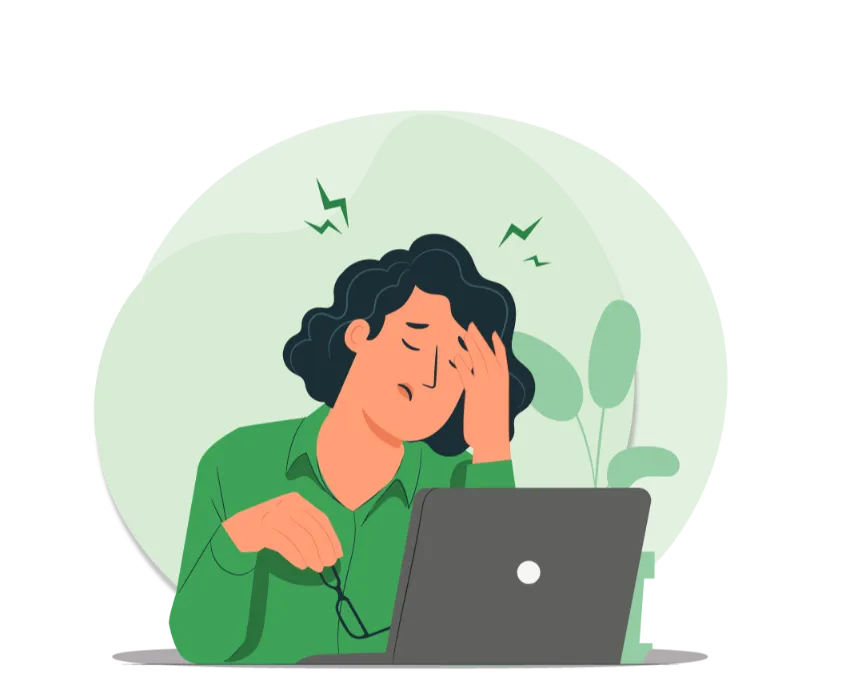
Migraine is a complex neurological condition characterised by recurrent headaches causing severe throbbing or pulsating pain on one side or sometimes both sides, accompanied by nausea, vomiting, and extreme sensitivity to light or sound. These attacks are intense enough to interfere with sleep, work, and other everyday activities.
Causes of Migraine
Migraine has no known causes. However, recent studies show it is triggered mainly by

Acid-alkaline imbalance in the body

Genetic predisposition

A bad lifestyle

A lousy food habit or fasting (which disturbs the acid-alkali balance)

Hormonal Imbalances

Weather Changes

Improper sleep

Stress

Sensitivity to light, sound, and particular smell
Further Complications of Migraine

Generally, people suffering from migraine take medicines to improve symptoms. Though it provides temporary relief, it causes side effects as it acts on various organs. In addition, the underlying cause worsens and leads to complications as follows:
- \Mental health issues
- \Migralepsy
- \Stroke
- \Motion sickness
- \Sleepwalking
- \Night terrors
- \Abdominal pain
- \Cyclical vomiting
- \Vertigo
Four-month Ayurvedic Treatment for Migraine
Shathayu Ayurveda’s research for effective treatment for migraine has culminated in four- a four-month medication regimen. It gradually tackles the frequency of headaches, the severity of pain, and associated symptoms, thereby providing long-lasting relief from migraine and preventing further complications.
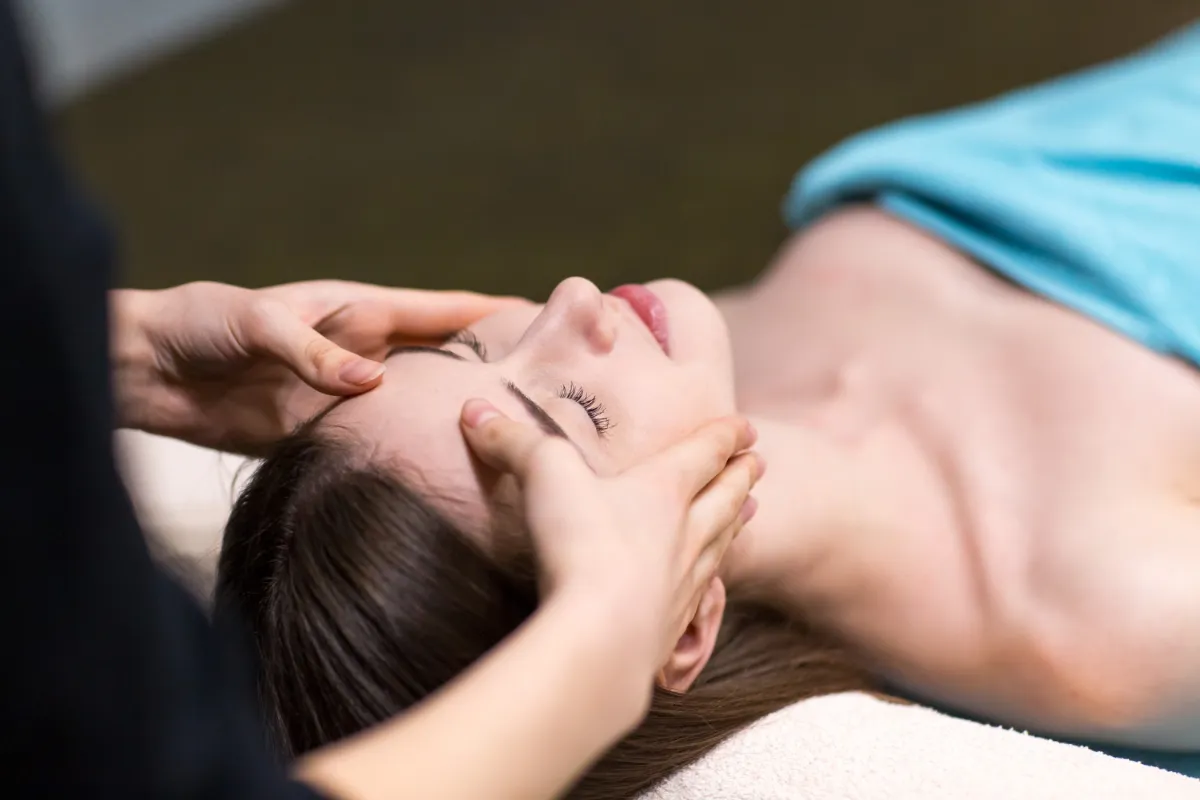
Four-month Ayurvedic Treatment for Migraine
Shathayu Ayurveda’s research for effective treatment for migraine has culminated in four- a four-month medication regimen. It gradually tackles the frequency of headaches, the severity of pain, and associated symptoms, thereby providing long-lasting relief from migraine and preventing further complications.
Unlock the Incredible Potential of Ayurveda for your Health and Happiness
Whether you’re seeking relief from a specific ailment or want to improve your overall well-being, our experienced doctors are here to guide you.
Book an Appointment
Our Blogs

Migraine Treatment in Ayurveda: How Does It Create Long-Term Stability?
In Ayurveda, migraine is managed by treating the underlying conditions that trigger attacks. Since digestive, nervous, and lifestyle imbalances...

Ayurveda for Asthma: How Stress, Anxiety, and Emotions Affect Breathing Patterns
Ayurveda for Asthma focuses on balancing Vata and Kapha, calming emotional triggers, and strengthening lung function through herbs, Panchakarma,...

Ayurvedic Treatment for Ankylosing Spondylitis: Restoring Balance
A rigid back that meets you each morning, pain radiating from your lower spine to your shoulder, and an overall sense of tiredness Ankylosing...
Frequently Asked Questions
1. What is migraine in Ayurveda?
Ayurveda explains migraine headache is caused when the Vata and Pitta imbalance, which can make the head feel heavy, sharp, or very sensitive to light, sound, and smells
3. How is a migraine different from a normal headache?
A normal headache is mild. A migraine is much stronger and can disturb daily activities.
5. What are the common triggers of migraines?
Loud sound, bright light, stress, skipping meals, and poor sleep often trigger migraine attacks.
7. Can lack of sleep make migraines worse?
Yes. Poor sleep can increase stress in the body and make headaches come more often.
9. Is there an ayurvedic cure for migraine?
Ayurveda aims for near no symptoms to headache and reduce headache freqency
11. Does fasting cause migraine attacks?
Skipping meals can disturb the acid-alkali balance in the body. This may trigger migraines.
13. What are the symptoms before a migraine starts?
Some feel mood changes, Nausea, neck stiffness, or light sensitivity before the headache begins.
15. Can I take my regular medicines along with Ayurveda?
Tell the doctor your current medicines. They will guide you safely without stopping anything suddenly.
17. Can screen time cause migraines?
Bright screens, long hours, or poor posture can trigger headaches in many people.
19. Is Panchakarma used for migraines?
It may be suggested in some cases based on body needs. The doctor decides if it is suitable.
2. Why do migraines happen?
There is no single known cause. They can come from stress, sleep problems, food habits, or family history.
4. Can children get migraines?
Yes. Children and adults can both experience migraines.
6. Does one have to take Lifelong medicine to migraines?
No. Migraines can be completely managed in 120 days with proper doctor guidance
8. What is ayurvedic treatment for migraine?
Ayurveda uses herbs, diet plans, and lifestyle changes to support the body and reduce headache frequency.
10. Can stress cause migraines?
Yes. Stress is one of the most common triggers, especially when the body is tired or overworked.
12. Can hormonal changes cause migraines?
Yes. Many people get migraines during periods, pregnancy, or other hormonal shifts.
14. Can strong smells trigger migraines?
Yes. Perfumes, smoke, or chemical smells can lead to a migraine for some people.
16. How long does a migraine usually last?
A migraine can last from 48-72 hours, depending on the person.
18. Can dehydration cause migraines?
Yes. Drinking too little water can cause or worsen headaches.
20. Do foods affect migraine attacks?
Yes. Processed foods, very spicy food, and irregular eating patterns can trigger headaches.