
Prevention. Wellness. Treatment.
Diabetes
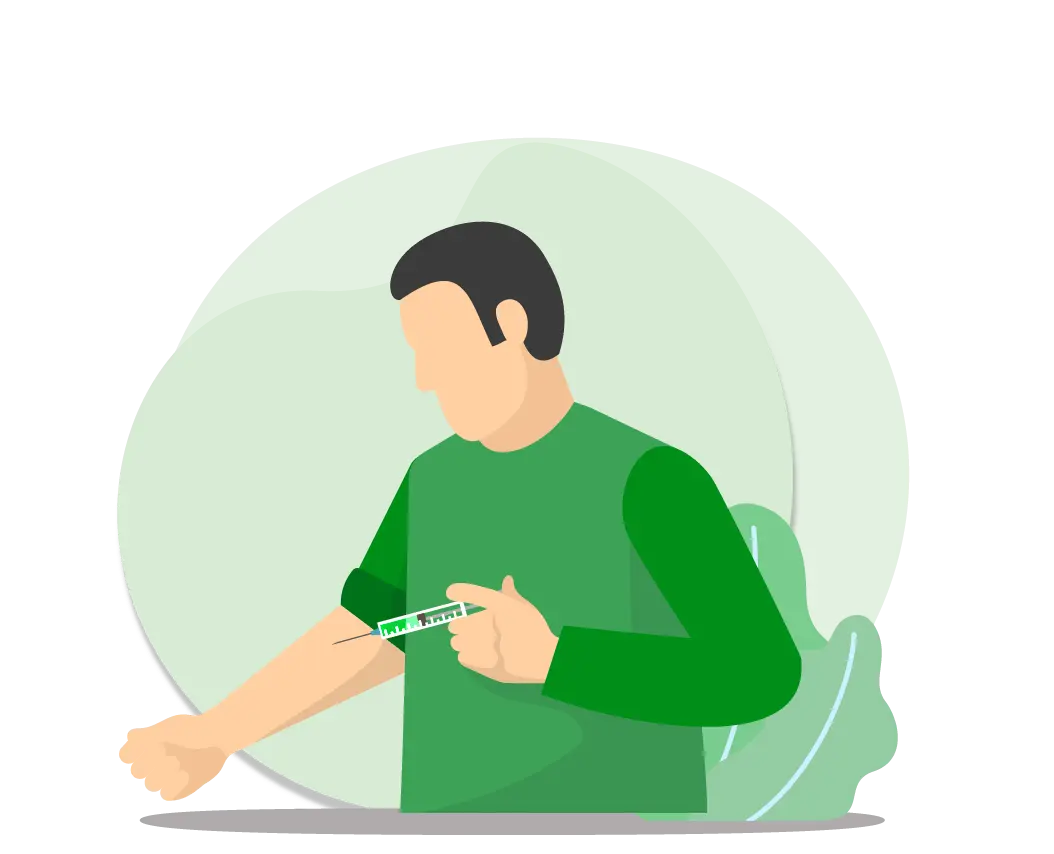
Ayurveda’s Definition & Classification of Diabetes
Ayurveda views diabetes as a metabolic disorder caused by an imbalance in the body’s doshas – Vata, Pitta, and Kapha. According to Ayurveda, there are four subtypes of diabetes known as Prameha, each associated with a specific dosha.

Vataja Prameha
Increased urination, a dry mouth, and weight loss are the hallmarks of this form of diabetes caused by an imbalance in the Vata dosha.

Pittaja Prameha
An imbalance in the Pitta dosha, which results in increased thirst, a burning feeling, and inflammation, causes this form of diabetes.

Kaphaja Prameha
This form of diabetes, caused by an imbalance in the Kapha dosha, presents increased mucus production, weight gain, and lethargy.

Sannipataja Prameha
This type of diabetes is caused by an imbalance in all three doshas and shows symptoms of Vataja, Pittaja, and Kaphaja Prameha.
Causes of Diabetes
Common causes of diabetes are

Genetic Inheritance

Physical Inactivity

Hormonal Imbalance
Obesity
Pregnancy

Certain Medications
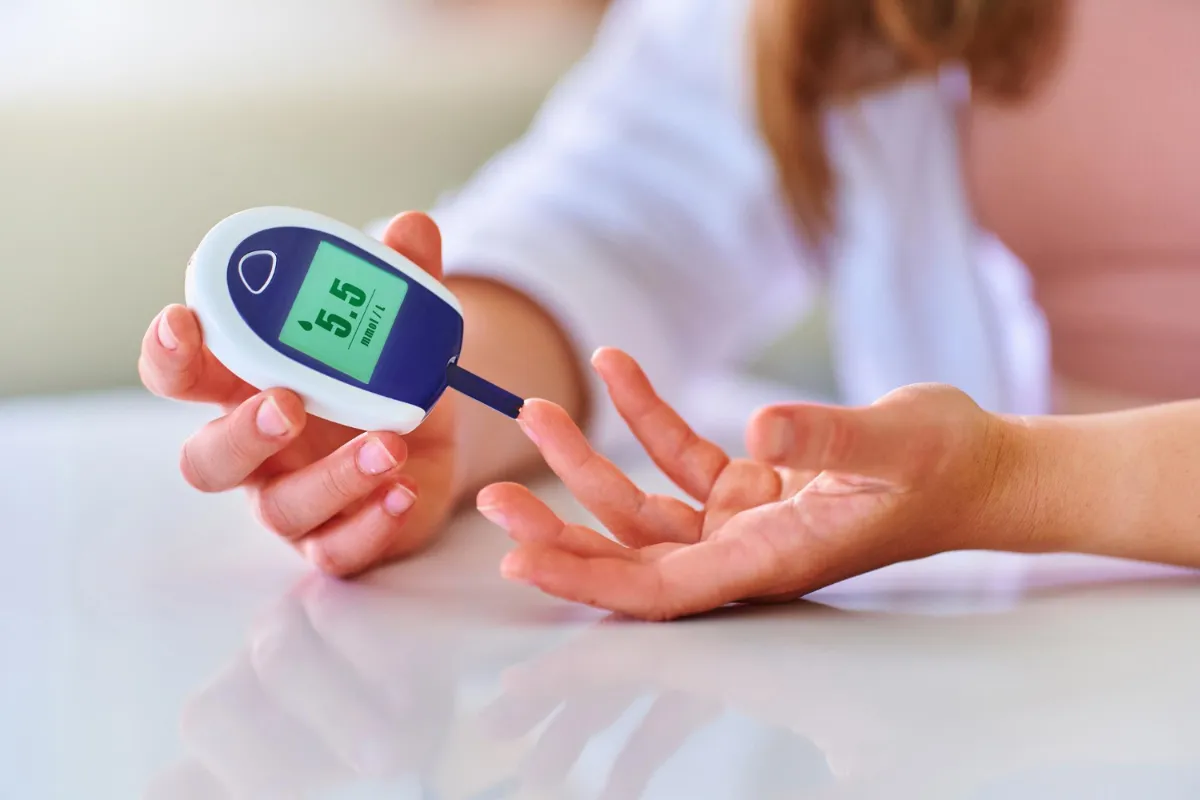
Symptoms of Diabetes
Symptoms of type 1 diabetes can start quickly, in a matter of weeks. Symptoms of type 2 diabetes often develop slowly—over the course of several years—and can be so mild that they are not noticeable.
Common symptoms are:
- Increased thirst and urination
- Increased hunger
- Fatigue
- Blurred vision
- Numbness or tingling in the feet or hands
- Sores that do not heal
- Unexplained weight loss
Panchakarma Treatment for Diabetes
The Panchakarma treatments for diabetes vary depending on an individual’s constitution (Prakriti), current imbalances (Vikriti), and overall health status.
Here are some Panchakarma treatments that may be considered beneficial for managing diabetes:
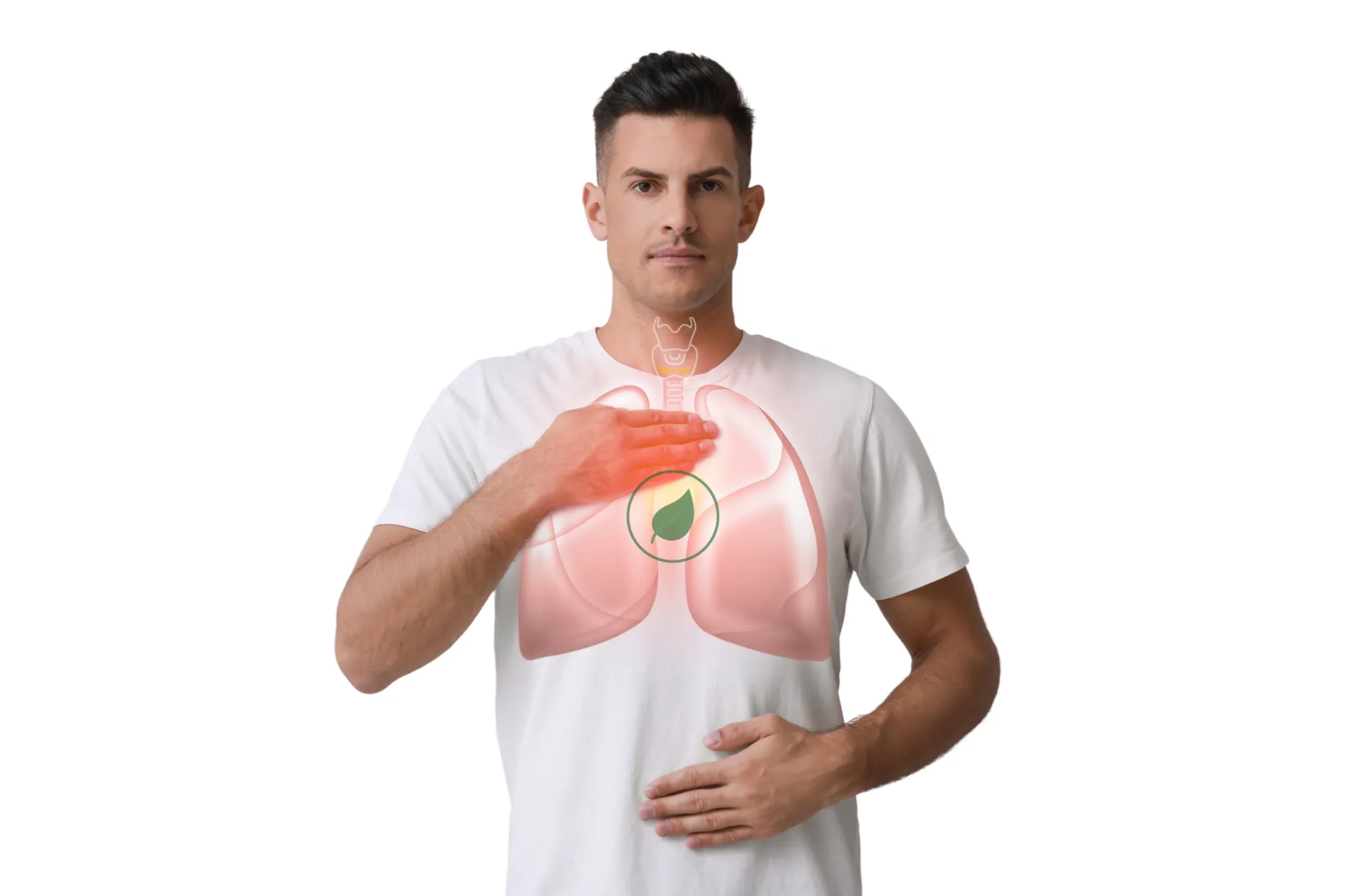
Vamana
This therapy involves therapeutic vomiting and is recommended for individuals with excess Kapha dosha. Vamana can help improve digestion, reduce body weight, and balance blood sugar levels.
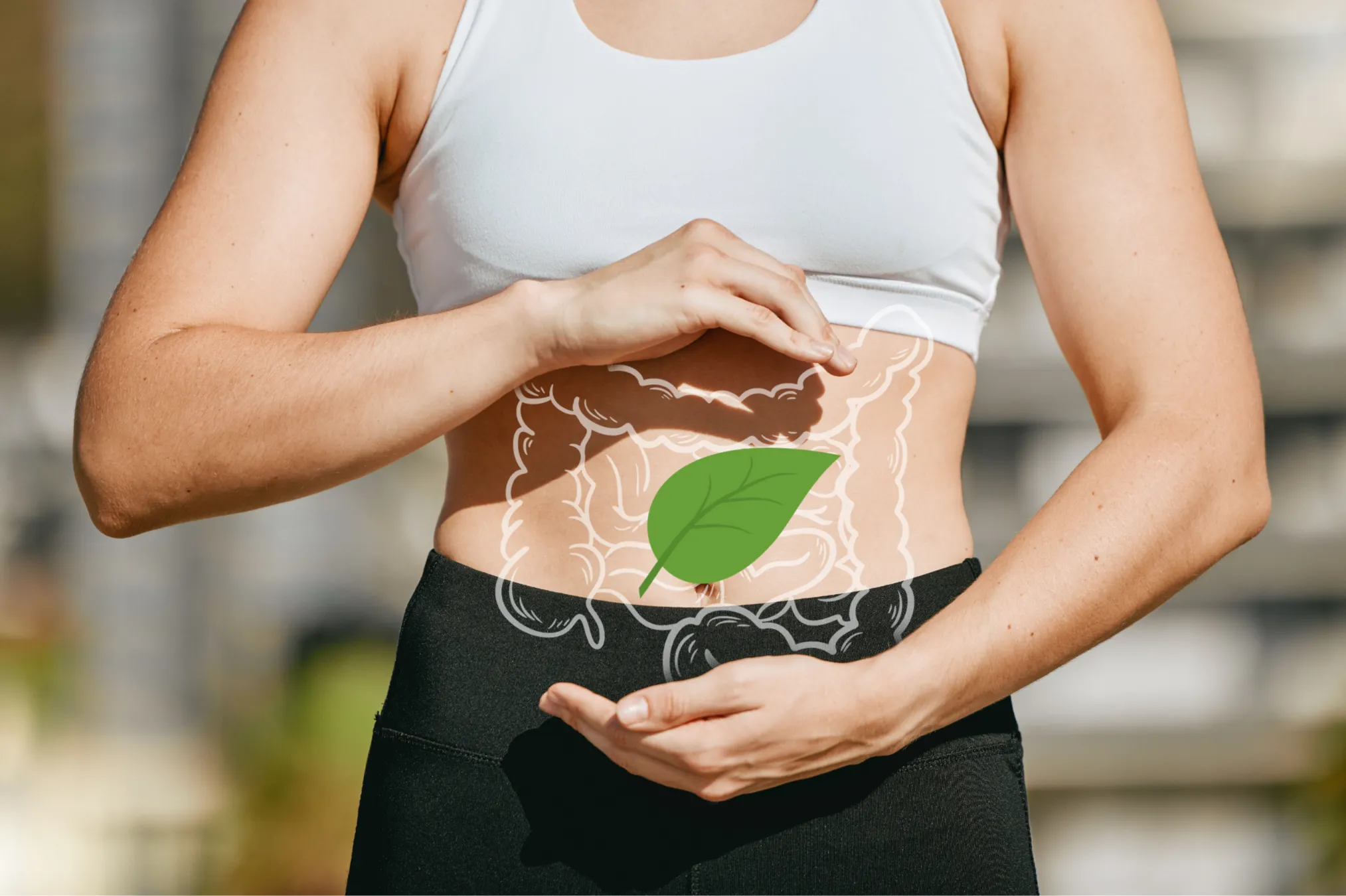
Virechana
Virechana is a purgation therapy that primarily targets Pitta dosha and cleanses the liver and intestines, promoting better digestion and metabolism.
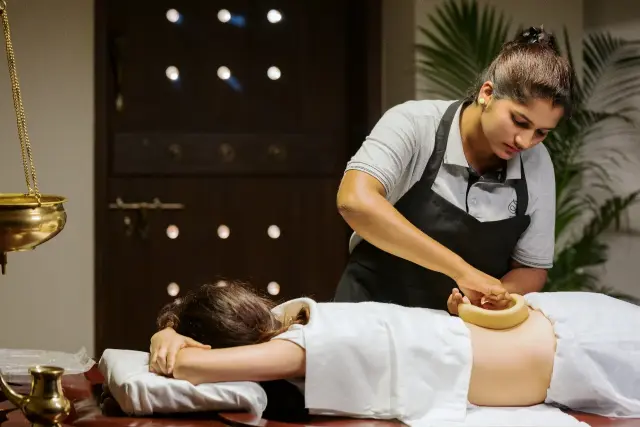
Basti
Basti or medicated enemas involves using herbal oils and decoctions to cleanse the colon and nourish the body. Basti treatments may help regulate bowel movements and improve insulin sensitivity.
Ayurvedic Medicines for Diabetes
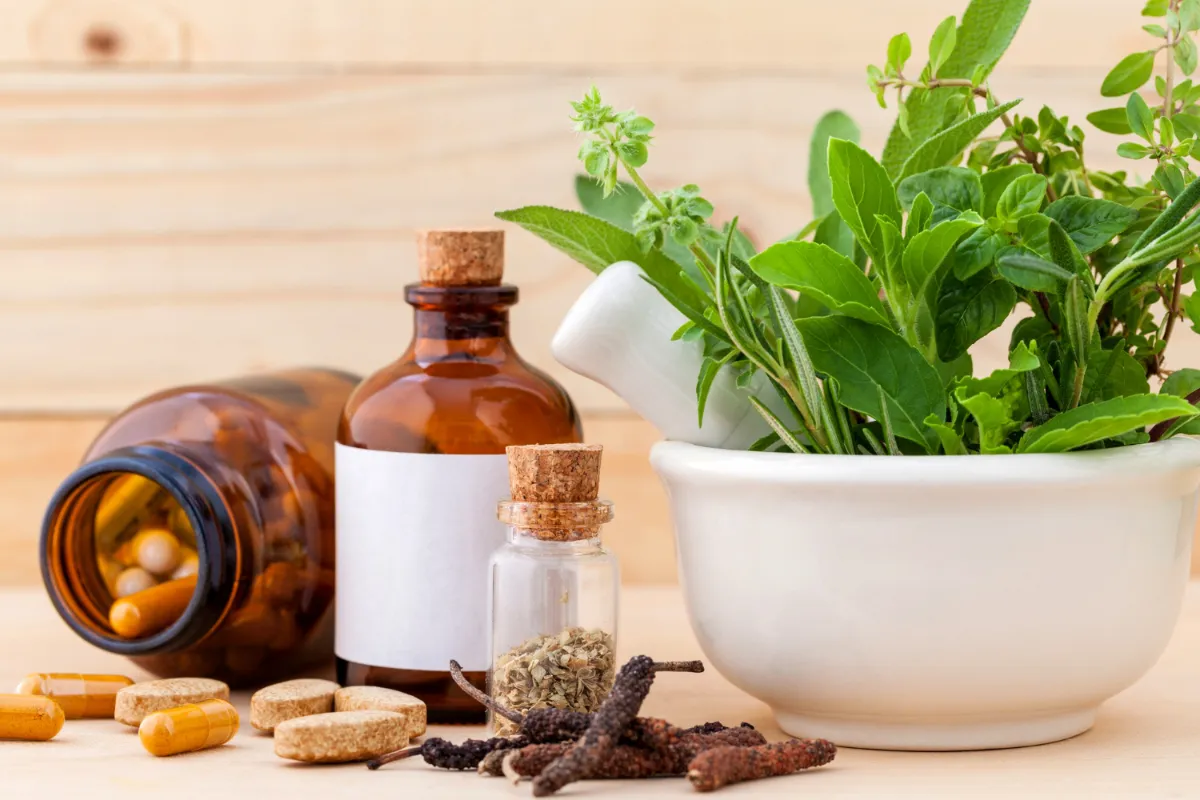
At Shathayu for Ayurvedic Diabetes Treatment, we personalise herbal preparations comprising the right proportions of different herbs to treat diabetes while nullifying their effects on other parts of the body. Some components include Bitter Melon, Gymnema Sylvestre, Cinnamon, Fenugreek, and a combination of Amla, Bibhitaki, and Haritaki.
Ayurvedic Medicines for Diabetes
At Shathayu for Ayurvedic Diabetes Treatment, we personalise herbal preparations comprising the right proportions of different herbs to treat diabetes while nullifying their effects on other parts of the body. Some components include Bitter Melon, Gymnema Sylvestre, Cinnamon, Fenugreek, and a combination of Amla, Bibhitaki, and Haritaki.
Unlock the Incredible Potential of Ayurvedic Diabetes Treatment for your Health and Happiness
Whether you’re seeking relief from a specific ailment or want to improve your overall well-being, our experienced doctors are here to guide you.
Book an Appointment
Our Blogs

Migraine Treatment in Ayurveda: How Does It Create Long-Term Stability?
In Ayurveda, migraine is managed by treating the underlying conditions that trigger attacks. Since digestive, nervous, and lifestyle imbalances...

Ayurveda for Asthma: How Stress, Anxiety, and Emotions Affect Breathing Patterns
Ayurveda for Asthma focuses on balancing Vata and Kapha, calming emotional triggers, and strengthening lung function through herbs, Panchakarma,...

Ayurvedic Treatment for Ankylosing Spondylitis: Restoring Balance
A rigid back that meets you each morning, pain radiating from your lower spine to your shoulder, and an overall sense of tiredness Ankylosing...
Frequently Asked Questions
1. What is diabetes in simple words?
Diabetes is a condition where the body has trouble handling sugar. This causes blood sugar levels to rise above normal.
3. What are the early signs of diabetes?
Feeling very thirsty, peeing often, tiredness, and slow healing of wounds are common early signs.
5. What is Ayurvedic diabetes treatment?
It may include Panchakrama, herbal medicine, diet changes, and therapies that help reduce sugar levels & balance the doshas.
7. Is Ayurvedic treatment for diabetes safe?
Ayurvedic care is personalised and gentle. The doctor checks your health history before planning anything.
9. What is Vamana in diabetes care?
Vamana is a gentle cleansing step used in some people with high Kapha. It aims to support better digestion.
11. What is Basti in Ayurvedic diabetes treatment?
Basti is medicated with an enema given through the rectal route. It may support digestion and help balance Vata.
13. Is diabetes caused only by sugar?
No. It can be caused by family history, weight gain, stress, hormonal changes, and inactivity.
15. Can children develop diabetes?
Yes. Some children can develop Type 1 or Type 2 diabetes
17. Should I avoid fruits if I have diabetes?
Not all fruits need to be avoided. Fruits with a low Glycaemic index is advised by doctors.
19. Does lack of sleep affect diabetes?
Yes. Poor sleep can disturb hormones and increase hunger or tiredness.
2. Can diabetes happen to anyone?
Yes. Children, adults, and older people can all develop diabetes because of lifestyle, family history, or other reasons.
4. How does Ayurveda explain diabetes?
Ayurveda sees diabetes as Prameha, a problem caused by an imbalance in Vata, Pitta, or Kapha.
6. Can diet affect my blood sugar levels?
Yes. Eating very sugary, oily, or heavy foods can make blood sugar rise faster.
8. Does stress increase diabetes symptoms?
Yes. Stress can affect sleep and eating patterns, which may make sugar levels harder to manage.
10. What is Virechana for diabetes?
Virechana is a controlled cleansing of the stomach and liver area. It may support metabolism.
12. Can Ayurveda help with tiredness caused by diabetes?
Ayurveda suggests relaxing massages and herbs that help improve daily energy levels.
14. Can walking help manage diabetes?
Yes. Simple walking every day helps the body use sugar better.
16. Can herbs help with blood sugar control?
Some herbs like bitter guard, fenugreek, and amla are traditionally used in Ayurveda
18. Can diabetes cause skin problems?
Yes. High sugar can make skin dry or slow to heal. Proper care helps.
20. Can stress management help diabetes?
Yes. Simple breathing, meditation, and calm routines help the body stay balanced.